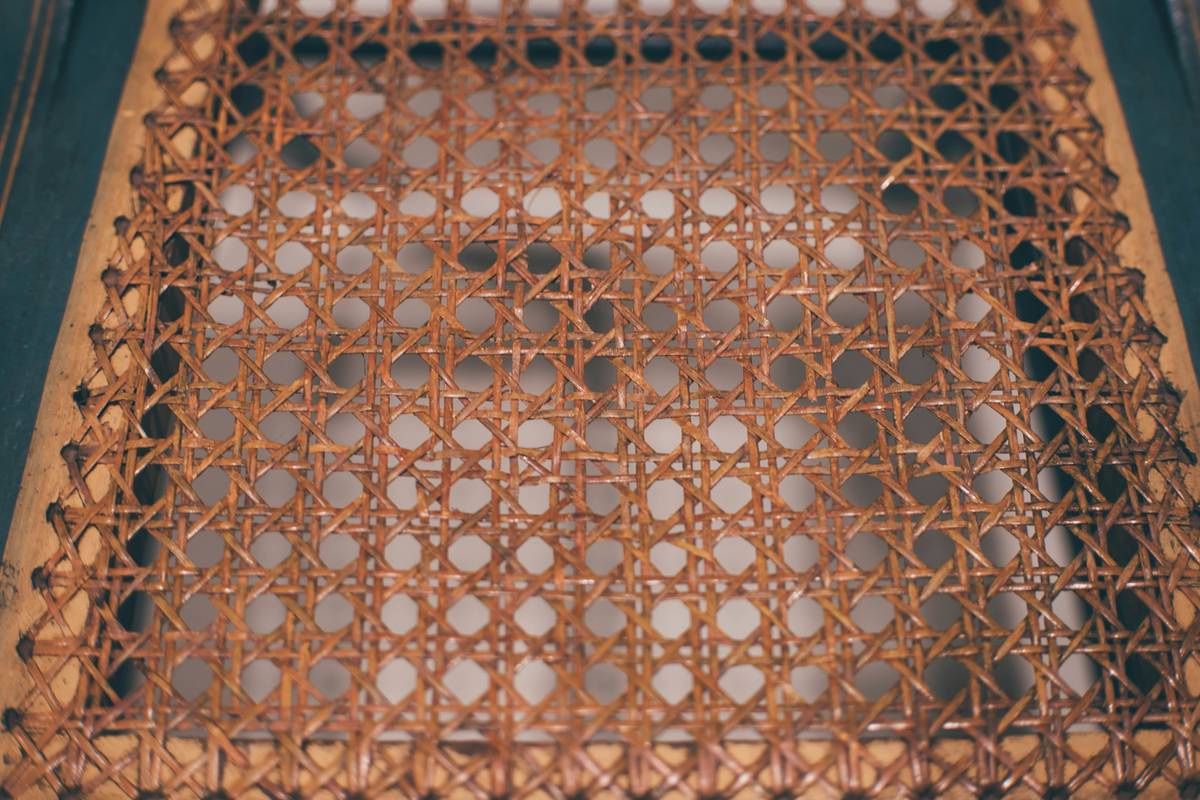
Your favorite wicker chair creaks ominously. A seat strand snapped yesterday. Now it’s sagging like a tired hammock. You search “diy wicker chair repair” and drown in vague advice—soak it, glue it, hope for the best. Most tutorials skip the real issue: wicker isn’t just “bent wood.” It’s tension, grain direction, and moisture memory working in concert. And most fixes fail within weeks. Here’s how to actually make it last.
Why 90% of DIY Wicker Repairs Fall Apart in 30 Days
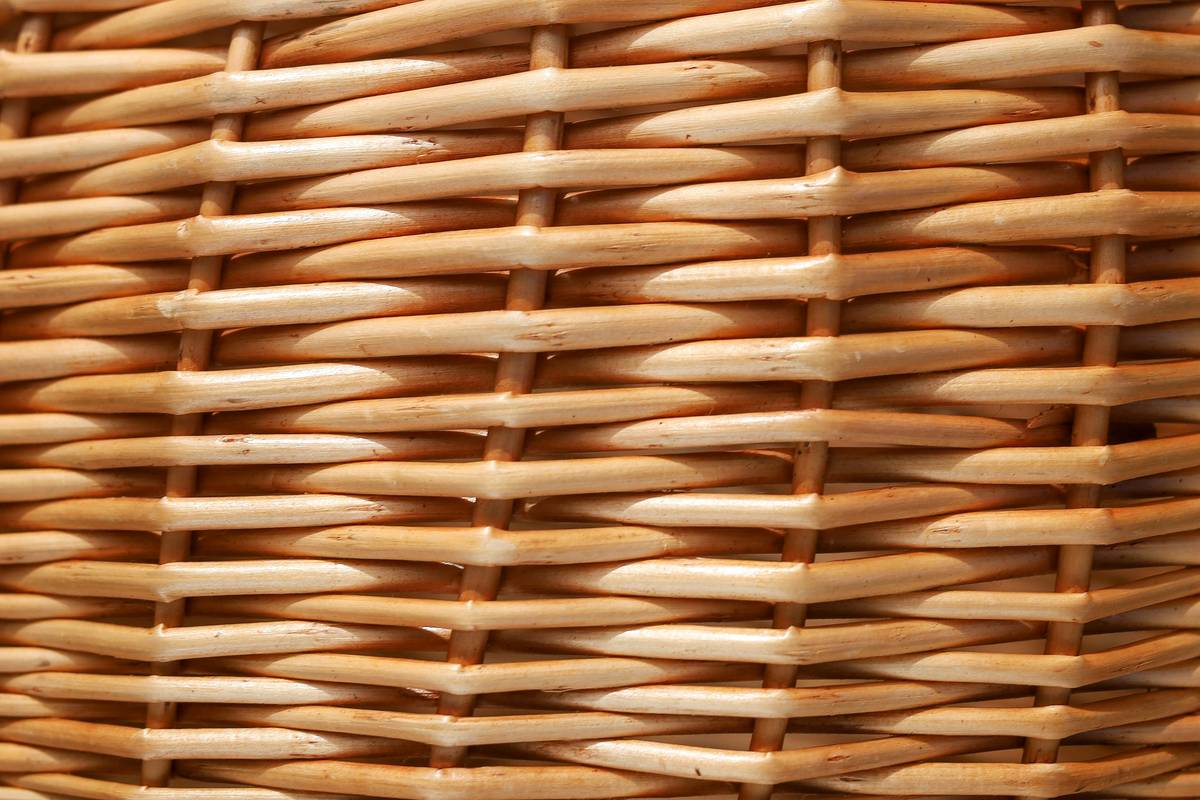
Most guides treat all wicker as equal—cane, reed, rattan, synthetic—but they behave wildly differently under stress. Glue alone? Useless on smooth rattan. Soaking without clamping? You’ll warp the frame. And sanding broken ends creates weak points that snap again under load.
The core flaw? Ignoring tension restoration. Wicker chairs aren’t static; they’re under constant elastic strain. Patch without realigning that tension, and you’ve just delayed the inevitable collapse.
diy wicker chair repair: The 5-Step Tension-Aware Method
Forget quick hacks. This system mimics how master weavers rebuild integrity—not just appearance.
Tools & Materials You Actually Need
Ditch the superglue. Grab:
- Replacement cane or rattan (match diameter exactly)
- Woodworker’s clamps (mini bar clamps work great)
- Tiny brass brads (1/2 inch)
- Flexible wood glue (Titebond II or III)
- Damp cloth + hair dryer (for controlled rehydration)
Step-by-Step Process
- Assess the break type. Is it a snapped spoke? A detached weave end? Or full panel separation? Each demands different handling.
- Rehydrate—selectively. Wrap only the damaged section in a damp cloth for 10 minutes. Over-soaking swells fibers unevenly.
- Re-tension before bonding. Gently pull strands to original tautness. Clamp them in place *before* applying glue. Let gravity assist—the chair should sit upright during clamp time.
- Reinforce mechanically. After gluing, insert a single brass brad through the repair point into the frame. It’s invisible but adds shear strength glue can’t provide.
- Cure with airflow. Dry slowly with ambient air—no direct heat. Rushing causes micro-cracks.
| Repair Method | Cost | Durability (Est.) | Best For |
|---|---|---|---|
| Glue-only patch | $2–$5 | 2–4 weeks | Temporary cosmetic fix |
| Re-weave small section | $8–$15 | 2–5 years | Localized breaks in seating panel |
| Full tension-aware rebuild | $12–$25 | 7+ years | Structural damage or heirloom pieces |
The Industry Secret: Wicker Has a “Memory Curve”—Exploit It
Here’s what no blog tells you: properly cured wicker retains a subtle spring-back memory. If you bend it slightly beyond its original curve during repair—and hold it there for 24 hours—it settles into a tighter, more resilient shape.
Think about it. Vintage chairs survive decades not because materials were better, but because original builders pre-stressed the weave during assembly. Modern hobbyists skip this “set-and-hold” step. Big mistake.
Try this: after gluing and clamping, wrap a rubber band around the repaired zone and stretch it 5% beyond neutral. Let cure overnight. The result? A self-tightening joint that resists sagging longer than the original.
FAQ
Can I use hot glue for quick wicker chair repair?
Hot glue bonds poorly to smooth rattan and becomes brittle. It might hold for days—but fails under body weight. Avoid it for structural fixes.
How do I match old wicker color after repair?
Stain new cane with tea or coffee first. Let dry, then apply matching wood dye in thin layers. Weathering blends it naturally over weeks.
Is synthetic wicker easier to repair than natural?
Not really. Synthetic strands lack tensile memory. They melt under heat and don’t absorb glue well. Natural rattan responds better to moisture-based reforming techniques.