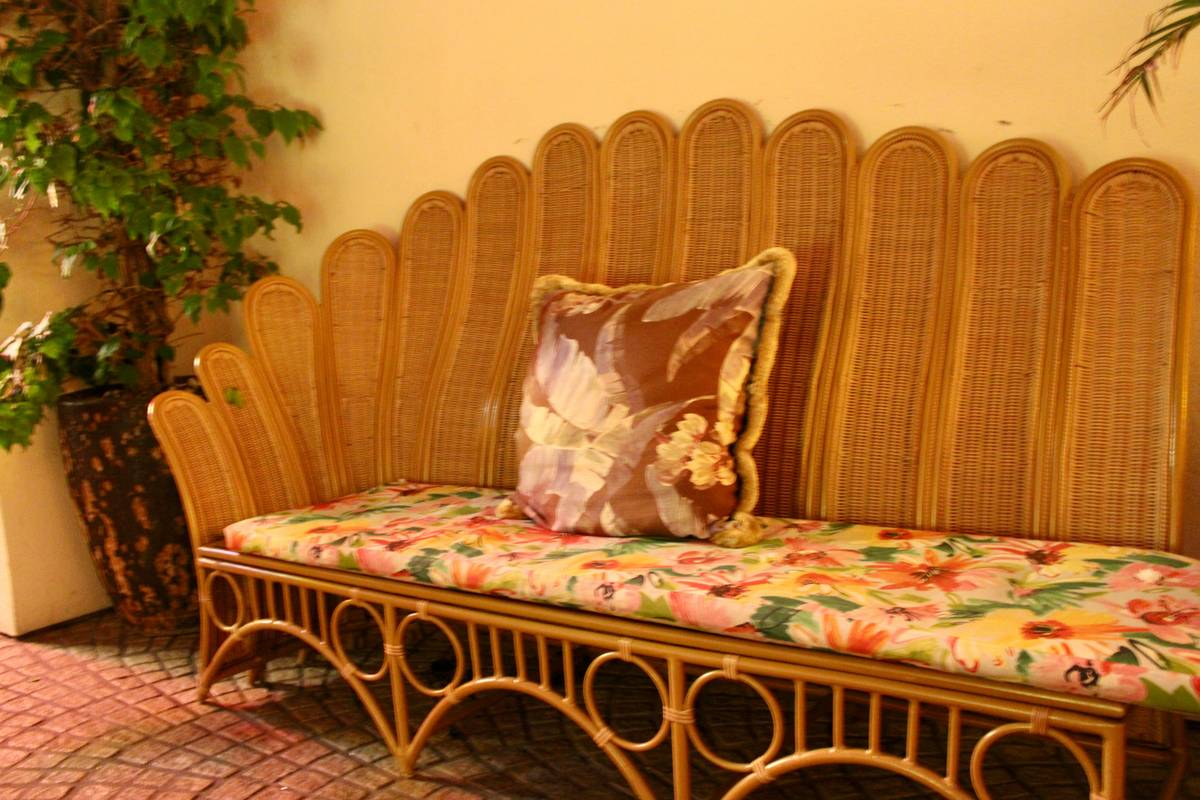
Your favorite wicker chair cracks. Again. You’ve tried glue, tape—even that sketchy YouTube hack with dental floss. Nothing holds. Now it’s wobbling like it’s had three espressos. But what if the problem isn’t your skill—it’s your approach? Real wicker furniture repair isn’t about quick fixes. It’s about understanding fibers, tension, and time. And yes—wicker to repair furniture properly demands craft, not just duct tape.
Why Most DIY Repairs Fail Miserably
People treat wicker like plastic. It’s not. Wicker is organic—rattan, reed, or cane—and it breathes, expands, and contracts with humidity. Slap on superglue? It’ll crack again in weeks. Why? Glue bonds rigidly. Wicker moves. The math is simple: rigidity + flexibility = failure.
And most tutorials skip the prep phase entirely. They don’t hydrate brittle strands. Don’t assess weave tension. Don’t match fiber diameter. So the patch stands out—or worse—adds stress points that accelerate decay.
wicker to repair furniture: A Step-by-Step Craft Blueprint
Assess & Clean Before You Touch Anything
Wipe down the entire piece with a damp microfiber cloth. Let it dry 24 hours. Inspect every joint. Note loose ends, broken strands, or sagging panels. Mark them lightly with chalk. Don’t rush this—your repair lives or dies here.
Rehydrate Brittle Fibers (The Game-Changer)
Dip replacement reed or rattan strands in warm water for 15–20 minutes. Not boiling—warm. This restores pliability without weakening fibers. Wrap them in a damp towel until use. Dry wicker snaps. Hydrated wicker bends. Huge difference.
Weave With Intention, Not Just Pattern
Match the original weave density. If the chair uses hexagonal lacing, don’t default to over-under square weaves. Mismatched tension creates weak zones. Use an awl to gently open tight gaps. Anchor new strands under existing stable ones—not just glued on top.

| Repair Method | Cost Range | Durability (Years) | Best For |
|---|---|---|---|
| Fiber Replacement + Re-weaving | $15–$40 (DIY materials) | 8–15+ | Structural damage, broken seats, armrests |
| Epoxy + Filler Paste | $10–$25 | 2–4 | Surface nicks, small cracks (non-load areas) |
| Adhesive Tape or Glue Only | $2–$8 | <1 | Temporary fixes—avoid long-term |
Finish & Protect—Don’t Skip This
Once dry (48–72 hours), apply a light coat of marine-grade spar urethane. Not polyurethane—it yellows and stiffens. Spar urethane resists UV and moisture while letting fibers flex. One thin coat. No more.

The Industry Secret: Tension Is Everything
Here’s what no blog tells you: wicker fails not from age—but from uneven tension. When one strand sags, neighbors bear extra load. They stretch. Then snap. So when you weave a patch, don’t just match pattern—match tension. Use your fingers like a piano tuner. Press adjacent weaves. Feel for give. Your new strand should compress slightly under thumb pressure—not pop back like a spring, not stay dead flat. That subtle elasticity? That’s longevity.
Think about it: antique chairs survive centuries not because they’re untouched—but because their weaves were balanced. Equal stress distribution. That’s the real art.
Frequently Asked Questions
Can I repair wicker furniture with synthetic materials?
Sometimes—but only for non-structural accents. Synthetic resins lack breathability and can trap moisture, rotting natural fibers underneath. Stick to natural reed or rattan for core repairs.
How long does wicker repair take to dry?
Minimum 48 hours in low-humidity conditions. Rushing leads to shrinkage cracks. If your climate is humid, extend to 72 hours—or use a dehumidifier nearby.
Is wicker repair worth it versus buying new?
Absolutely—if the frame is solid hardwood. Quality vintage wicker frames outlast modern particleboard by decades. Investing $30 in materials saves hundreds and preserves craftsmanship.